Problem-Solution Fit: How to Test If Your Solution Solves a Real Problem | EVUNN
Make Your EVUNN Journey Personal
PROBLEM: I've chosen a promising solution, but I don't know if it actually fits the problem my customer cares about.
To find a solution people would want to pay for, ensure it actualky solves the problem
Step 2 - Test Problem–Solution Fit
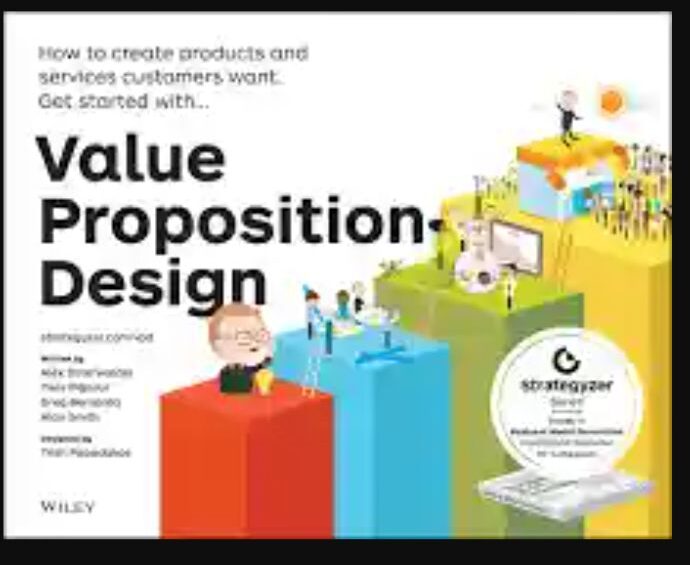
Recommended Book for this Step : Value Proposition Design
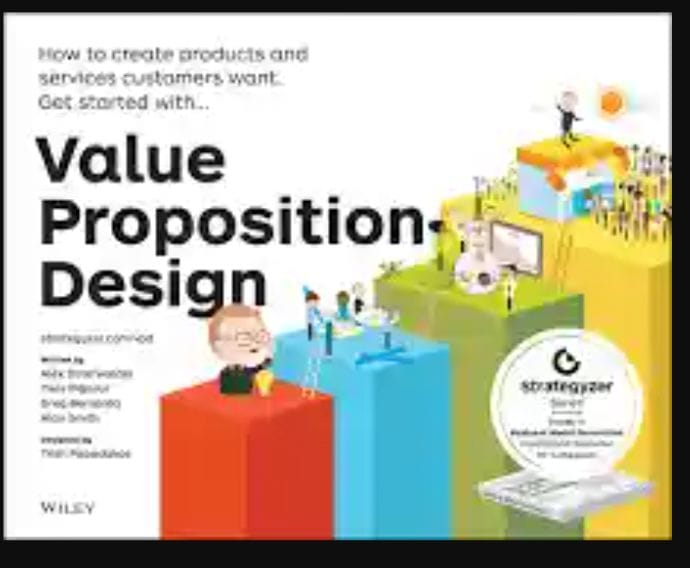
In Step 1, you used this book to explore possible solutions.
Now you use the concept of Fit to examine whether your Most Promising Solution actually connects to what the customer needs.
The Value Proposition Canvas connects:
Customer Profile
Jobs
What the customer is trying to accomplish.
Pains
What makes that difficult, frustrating or risky.
Gains
What they want to achieve or experience.
with:
Value Map
Products & Services
What you’re proposing to provide.
Pain Relievers
How your solution addresses their pains.
Gain Creators
How your solution helps create their desired gains.
The objective is to find a meaningful connection between the two.
Which Parts Of The Book Should You Read?
You don’t need to read the entire book again. Focus on:
1.1 Customer Profile Review
Go back to:
Jobs
Pains
Gains
Much of this already exist from Phase 1.
Your task is to make sure you’re still solving the right problem for the right customer.
1.2 Value Map (Essential)
Review:
Products & Services
Pain Relievers
Gain Creators
Use this to examine exactly how your Most Promising Solution is supposed to create value.
1.3 Fit ( Essential)
This is the most important section for Step 2.
Focus on whether your Value Map actually addresses the Customer Profile.
3.1 What To Test (Recommended)
Use this section to identify the assumptions behind your proposed solution.
Ask:
“What must be true for this solution to actually work for the customer?”
3.2 Testing Step-by-Step (Recommended)
Use this as a reference for thinking about how those assumptions could eventually be tested.
3.3 Experiment Library (Skim)
You don’t need to study every experiment. Use it only when you need an idea for testing a specific assumption.
3.4 Bringing It All Together (Recommended)
Useful for connecting your customer profile, value map and testing process.
What You Can Skip For Now
You can skip:
2.5 Finding The Right Business Model
Business model development isn’t the focus of this step.
2.6 Designing In Established Organizations
Not central to the expertise-based businesses EVUNN is helping build.
4. Evolve
This is more relevant after you’ve developed and tested the business.
Your Step 2 Outcome will be:
By the end of this step after going through the recommended chapters and impkementing this step with EVUNN Solution-Fit toolkit, you should have:
Your Most Promising Solution
The specific customer problem it addresses
The customer jobs, pains and gains it connects to
The specific pain relievers and gain creators
The gaps in the solution
Your key assumptions
The evidence you currently have
A Problem–Solution Fit Decision
Now, it’s time to test what you’ve designed.
You have a solution in mind. Now put it against the problem you uncovered and see if the two actually fit.
 EVUNN Execution Toolkit
 EVUNN Execution Toolkit
Problem–Solution Fit Canvas
Ready to test whether your solution actually fits the problem?
The EVUNN Problem–Solution Fit Canvas helps you check whether your solution addresses the problem your customer cares about and where it may still fall short.
Do this before you invest more time building. Otherwise, you could end up with a solution that looks right on paper but doesn’t solve the problem well enough.